






Coverage
Not identified is not no risk
Every map comes with a coverage statement: which suppliers and parts were in scope, how deep we reached for each, and what remains unknown.
One platform for everything behind your suppliers.
Your products and their components, every supplier down to the mine, and the evidence for each link.
How an engagement runsStart from the question in front of you.
A regulation, a customer questionnaire, or a supplier you are about to pay.
What each rule asksWhere the hidden tiers are deepest.
Metal, minerals and electronics, through refiners and traders in several countries.
All industriesAn intelligence company.
We research registries, trade records and public sources. We never contact your suppliers.
Read our methodologyDeepTier / Methodology
Our standard for evidence, how a relationship reaches your map, how we report coverage, and the limits of what we do.
A registry entry tells us a company exists, where it is and who owns it. It does not tell us that it supplies another company. We record the two separately.
A relationship is confirmed only by evidence of the relationship itself, such as a document you provide or a record that names both parties. It is inferred when consistent trade signals point to it with at least 70% confidence. Below that it stays pending: we keep investigating, and it is never shown as fact.
Each piece of evidence is stored with its source, the excerpt that supports the conclusion, its date, the analyst who reviewed it and the full history of changes.
We never present a guess as a fact. Each relationship is confirmed, inferred or pending, with the evidence behind it and a confidence score.
A registry entry proves a company exists. It does not prove it supplies another. Only relationship evidence can make a link confirmed.
Primary aluminium purchased from a smelter registered in Xinjiang.
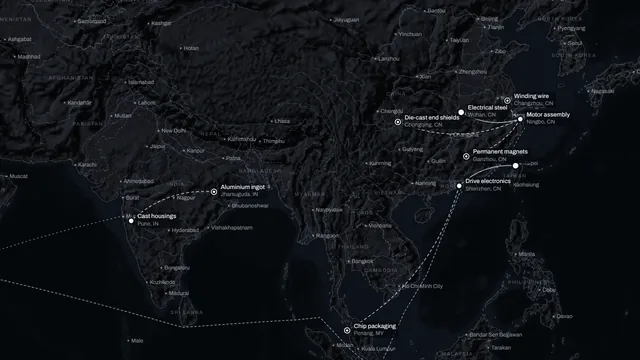
Aluminium ingot, 14 consignments from Xinjiang to Chongqing, March to August 2026.
Business scope: aluminium smelting and casting.
Agents propose; analysts decide. Every step is versioned, logged and restricted to your organisation.
The most common way supply chain intelligence misleads is by hiding what it does not know.
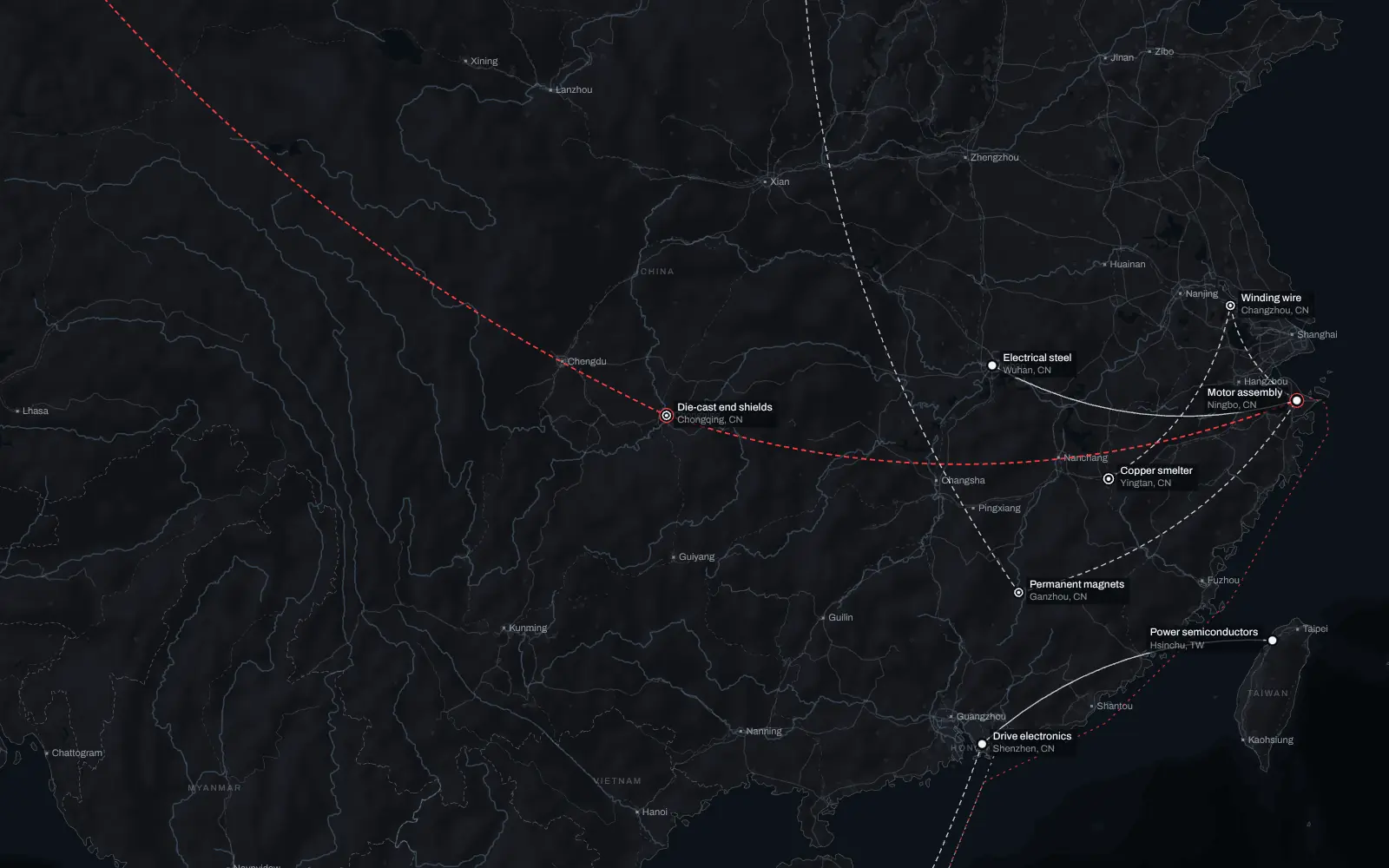
Coverage
Every map comes with a coverage statement: which suppliers and parts were in scope, how deep we reached for each, and what remains unknown.
Risk and evidence
A potentially severe exposure can rest on weak evidence, and a minor one on strong evidence. You always see both.
Routes
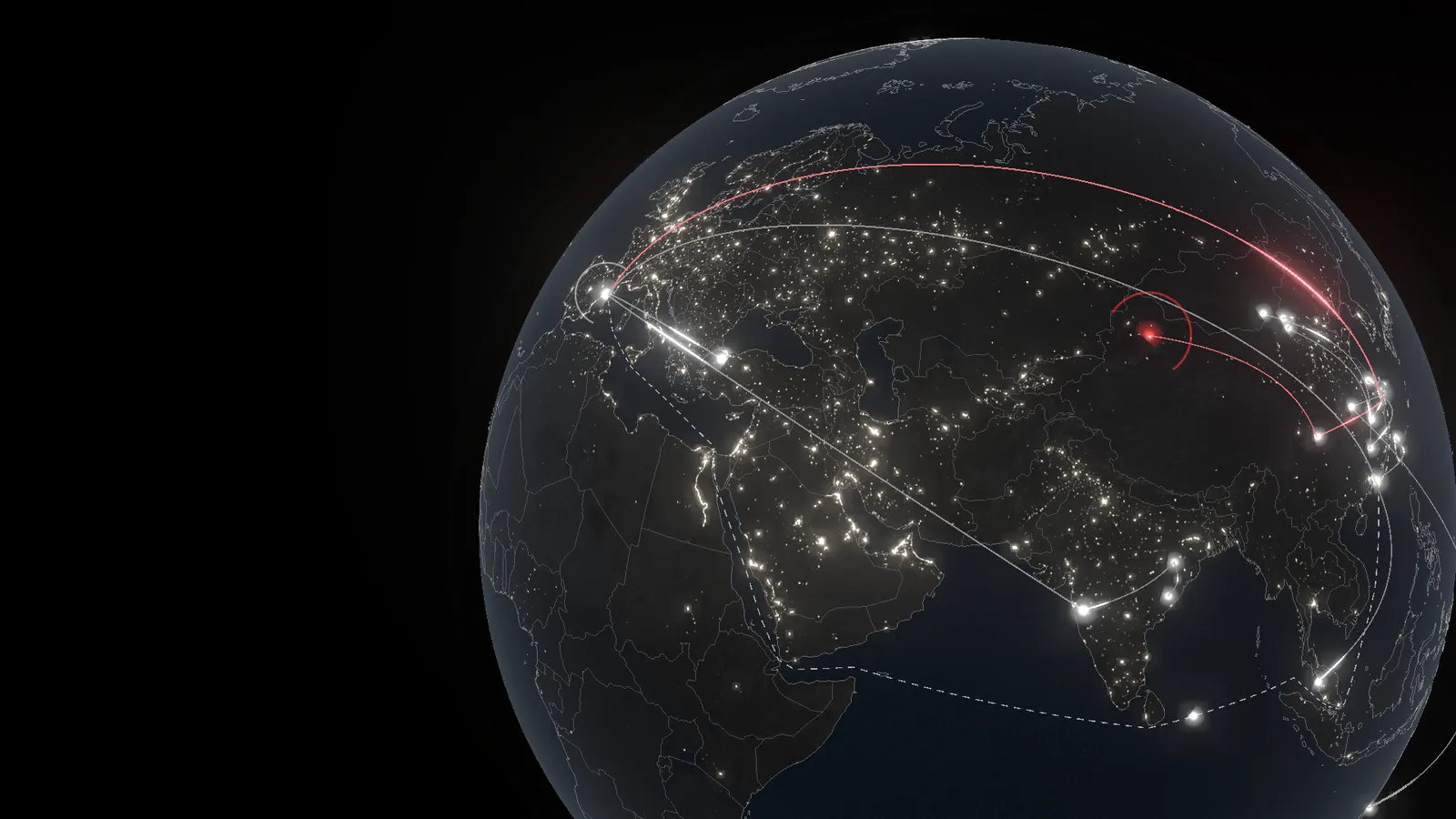
A route backed by shipping documents is marked documented. A probable port or corridor is marked estimated.
The graph links companies, plants, owners, materials, ports and watchlists, and is enriched only with public information. What we learn from your documents is never shared.
Entity graph, illustrative engagement
Reused
Registry data, legal identifiers, sanctions and watchlist matches, public trade records and published open sources.
Private
Your documents, your supplier list, the relationships derived from them, your alerts and your map.
This example
Not always, and we will not pretend otherwise. We agree the scope first, go as deep as the evidence allows, and the coverage statement shows exactly where we stopped and why.
No. We are an intelligence company: we research registries, trade records and public sources, and the documents you share with us. Your suppliers are never contacted.
Every relationship carries a confidence score and its sources. We show it as inferred only from 70%, and as confirmed only when a document or record names both companies. Anything below 70% stays pending, and is shown as such.
Generally not as such. Rules like the EU Forced Labour Regulation and the UFLPA make it risky to sell goods linked to forced labour, and allow authorities to ask for information. A map with evidence is how you prepare and how you answer. See Regulation.
They are covered by a confidentiality agreement signed beforehand, used only for your map, and never shared with other clients. See our data policy.
A list of the products in scope, your tier 1 suppliers for them, and any invoices, bills of materials or certificates you already hold.
Yes. We run a live demo on a sample product we have already mapped, so you see the map, the evidence and the alerts end to end. Your own map then starts with a proposal.
A 30-minute walkthrough of a sample product, from the finished good to the raw material: the map, the evidence behind every link, the alerts, and what remains unknown.
Tell us what you make and what you need. We reply within one working day, and your suppliers are never contacted. You can also write to us at info@deeptier.eu.
Thank you. We will reply within one working day to the email address you gave us.